


By Cathy M. Rosenthal
Summer isn’t just vacation season. It’s lost-pet season.
Every year, animal shelters brace for something many pet owners never see coming. As temperatures rise, so do the numbers of lost dogs and cats. Most people blame the Fourth of July. But fireworks are only one piece of a much bigger story.
Summer creates the perfect storm for pets to go missing.
Children are home from school and constantly opening doors. Families are traveling. Friends stop by to visit. Backyard projects leave gates unlatched. Delivery drivers come and go. Dogs spend more time outdoors. Cats slip through screened doors. Then add thunderstorms, neighborhood fireworks, unfamiliar visitors, and disrupted routines, and even the calmest pet can make one panicked decision.
Sometimes, it happens in seconds.
One moment your dog is lying beside you while you water the flowers. The next, a loud motorcycle, clap of thunder, or unexpected firework startles him, and he’s through an open gate you didn’t even realize was unlatched.
Over the years, I’ve heard the same sentence from heartbroken pet owners more times than I can count:
“He’s never done that before.”
Until he did.
According to animal shelters, the weeks surrounding the Fourth of July are among the busiest times of the year for stray-animal intake. But in many Texas neighborhoods, fireworks begin long before the holiday itself, often with little warning. For pets that fear loud noises, the anxiety may build for weeks.
Fear changes behavior.
Dogs have been known to climb fences they’ve ignored for years. Cats can squeeze through impossibly small openings. And once frightened, many pets don’t simply run next door. They keep running, becoming increasingly disoriented by noise, heat, and unfamiliar surroundings.
Summer also brings more opportunities for pets to slip away. Families take vacations. Friends stop by for barbecues. Pet sitters come and go. Children race in and out of the house. A guest forgets to latch the gate. A pet sitter doesn’t realize the cat bolts for the door. A family heads out to dinner just as a thunderstorm rolls in.
Most lost pets don’t disappear because someone was careless. They disappear because life happened. That’s why preparation matters far more than guilt.
If your pet becomes anxious during storms or fireworks, don’t wait until the Fourth of July to make a plan. Talk with your veterinarian now. Some pets benefit from medication. Others do well with a quiet room, white noise, closed curtains, or simply staying indoors with their family during noisy evenings.
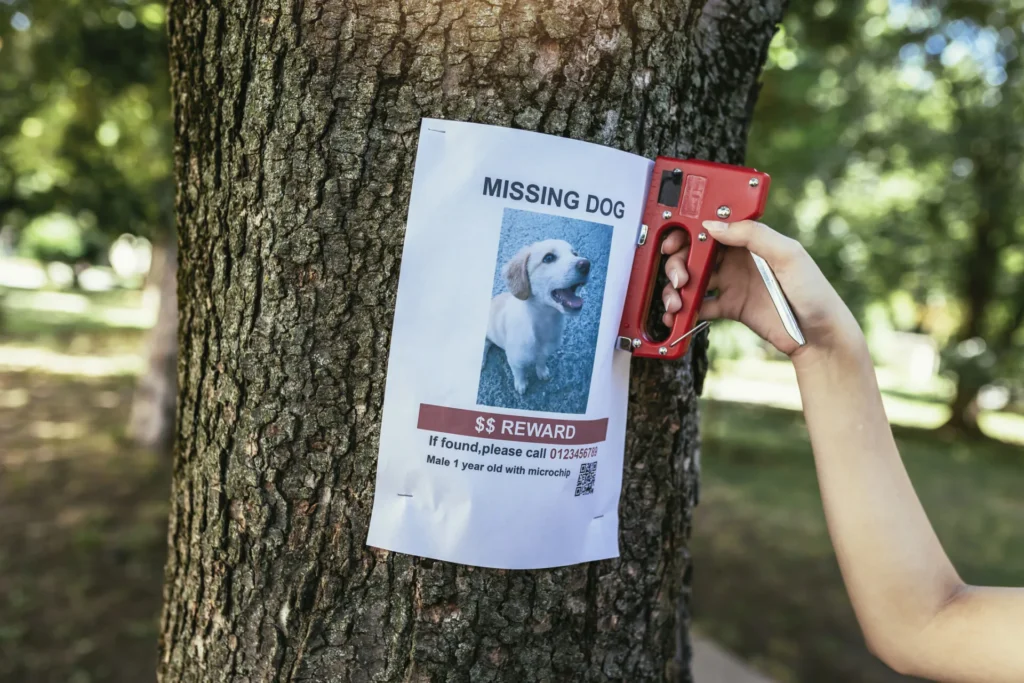
Just as important, understand that accidents can happen. Make sure your pet’s microchip is registered with your current phone number. Check that ID tags are easy to read. Keep recent photos of your pet on your phone, and inspect gates and fencing regularly for loose boards, gaps, or latches that don’t quite close.
Unfortunately, not every lost pet makes it back home.
One of the biggest reasons is surprisingly simple: many aren’t carrying any form of identification.
The precautions may seem small — until they’re the very things that bring your pet home.
Above all, don’t assume your pet would never run away.
Every summer, shelters fill with dogs and cats whose families believed exactly that.
Sometimes, the difference between heartbreak and a happy reunion comes down to something as simple as an updated phone number on a tag or a registered microchip.