

In a footrace to the cat poop, your dog will always finish first

Category: ,

As-Seen-With-Cathy-Rosenthal - 2

Encourage Kindness to Animals!

Highly-acclaimed children's books for your child or organization

In a footrace to the cat poop, your dog will always finish first

Many dogs are very interested in eating cat poop.

Dear Cathy,

I have some new neighbors that moved in with an outdoor cat. The cat uses our yard as her potty box. Our two dogs have found this cat poop delectable and they eat these deposits before I can remove them from the yard. Is there something I can do to dissuade my dogs from eating this poop? Thank you in advance for any insights.

– Wendy Rutland, Pensacola, Florida

Dear Wendy,

It’s frustrating when your dogs get into something they shouldn’t, especially something as unappealing to us as cat poop! Unfortunately, when it comes to competing with your dogs for these “yard treasures,” they’ll almost always win. Their keen noses and determination give them the edge. But don’t worry—there are ways to address this issue effectively.

To start, you can try to get ahead of the problem by doing a daily sweep of your yard to remove any deposits before letting your dogs out. Another option is to supervise your dogs while they’re outside, using a leash to guide them away from the poop when they find it. However, these approaches only manage the symptoms, not the root of the issue.

The best long-term solution is to train your dogs to obey the “leave it” command. This command teaches them to ignore tempting items on the ground, whether it’s cat poop, dropped food, or anything else you’d prefer them not to ingest.

Here’s how to teach “leave it”:

  1. Set the Stage
    Start indoors in a controlled environment to minimize distractions. Ask your dog to sit, and then place a low-value treat (like kibble) on the ground. Hold a high-value treat, such as a small piece of cheese or a liver treat, in your hand.
  2. Introduce the Command
    When your dog notices the treat on the ground, say “leave it” in a firm but calm voice. Don’t let them grab the treat! The moment they turn their attention away from the treat and look at you, reward them with the high-value treat from your hand.
  3. Reinforce the Behavior
    Pick up the low-value treat so they can’t grab it later. After a short break, repeat the exercise. Over time, introduce more tempting items to increase the challenge, but never let them eat the “leave it” item. This helps them understand that they should ignore it completely, even when unsupervised.
  4. Practice Outdoors
    Once they’ve mastered the command indoors, practice in your yard. Start on a leash so you can guide them if needed. Gradually work up to saying “leave it” from a distance, rewarding them when they comply.

Consistency is key! With daily practice, most dogs learn “leave it” within a few weeks. Make sure to train your dogs individually, especially if they tend to compete for treats.

If your neighbors are open to suggestions, you might also gently encourage them to keep their cat indoors or provide an outdoor litter box in their yard. Cats that roam freely not only create these issues but are also at greater risk of injury, illness, or predation.

With time and training, your dogs will learn to ignore these tempting deposits, and your yard will feel a little more peaceful again.

Cathy M. Rosenthal is a longtime animal advocate, author, columnist and pet expert who has more than 25 years in the animal welfare field. Send your pet questions, stories and tips to moc.tidnuptepobfsctd-11a5ef@yhtac. Please include your name, city, and state. You can follow her @cathymrosenthal.

Please follow and like us:
Pin Share

Nonprofit 501(c) Organizations Copy Usage Notice
Nonprofit 501(c) organizations ONLY are welcome to use these posts on their websites free of charge. Please credit the original article by including the following attribution and with a link to the original article.

For Example:
This article originally appeared on CathyRosenthal.com | In a footrace to the cat poop, your dog will always finish first

Thank you for helping us spread the message of compassionate care and responsible pet ownership!

Leave a Comment

Your email address will not be published. Required fields are marked *

Why Humane Perspectives Isn’t Just for Animal Welfare Leaders

This weekend, my mom gave me the most honest feedback I could have asked for. She had just received her […]

Changing the Conversation About Pit Bull-Type Dogs: Lessons Learned from Ledy VanKavage

By Cathy M. Rosenthal Some people advocate quietly. Others walk into a room and make you believe change is possible. […]

The Stories I Haven’t Had Time to Write Yet

Somewhere between airports, conference rooms, humane education programs, grant workshops, book deadlines, and far too many cups of tea, I […]
DSC_4602

Cathy Rosenthal (aka The Pet Pundit), CHES, CFE

Animal Welfare Communications Strategist, Writer & Educator

Cathy M. Rosenthal is an award-winning humane educator and author, animal welfare strategist, pet columnist, and speaker who has spent more than 38 years working in animal welfare with local and national humane organizations. She helps people better understand and care for animals through her nationally syndicated My Pet World column and has been the longtime pet columnist for the San Antonio Express-News since 2003.

In addition to her writing, Cathy develops humane education, leadership, customer service, and compassion fatigue training programs for animal welfare organizations nationwide, and has helped raise millions of dollars through grant writing, strategic communications, and program development.

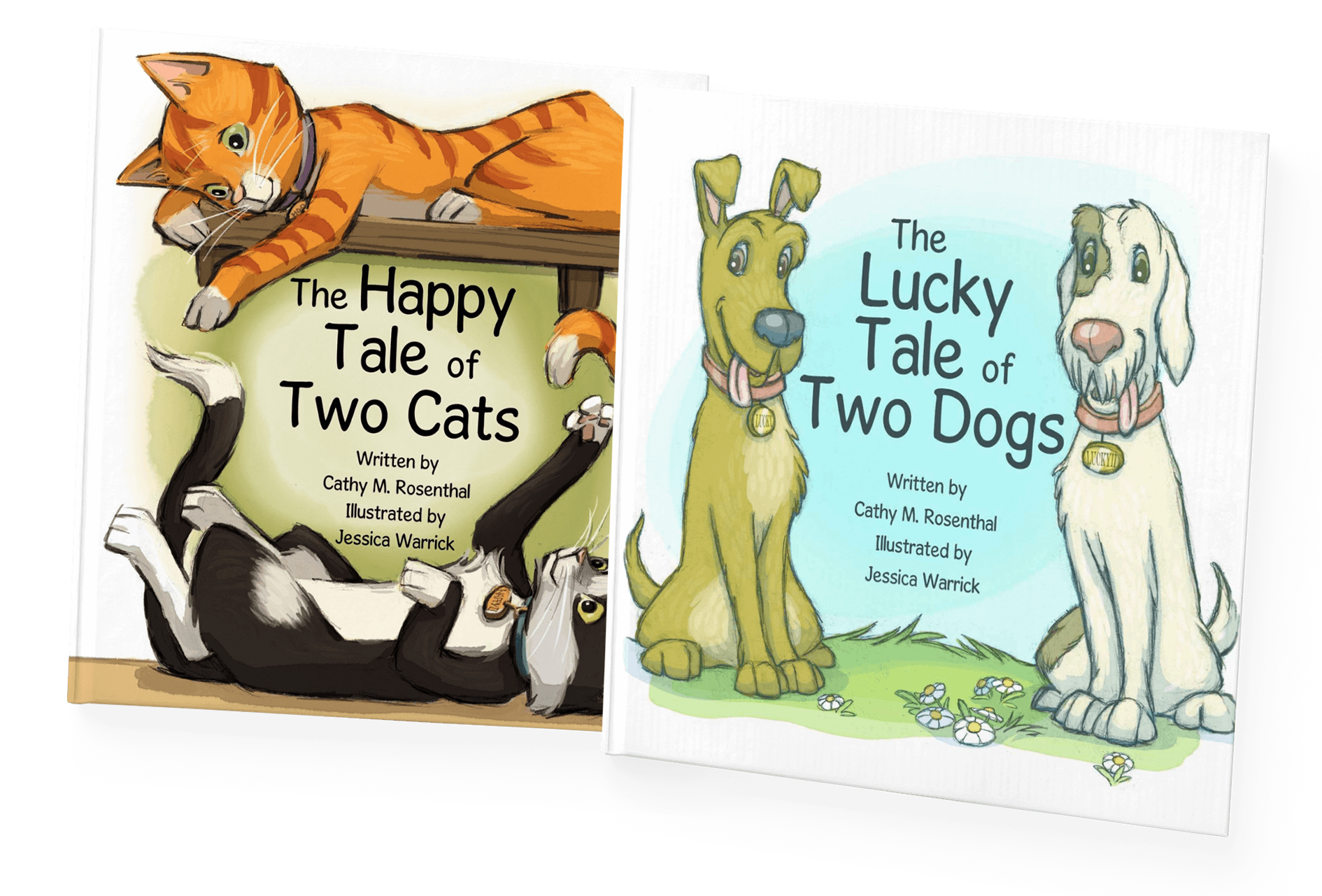
Cathy is the editor and curator of Humane Perspectives: Leadership in Animal Welfare and is the author of several books, including Grant Writing Boot Camp for Animal Advocates, The Lucky Tale of Two Dogs, and The Happy Tale of Two Cats, which was the 2026 winner of the Association of Professional Humane Educators’ (APHE) "Educator’s Choice Award" for Best Humane Education Book for Young Children. She also received the 2026 APHE Nathania Gartman Heroes Award for Impact in Humane Education. Her humane education programs in Texas have reached more than 45,000 elementary school children since 2019.

She resides in Texas with her husband, their cat Sterling, and a former community cat, Maddie, who successfully negotiated an indoor living arrangement but still considers human affection highly negotiable.

Humane Perspectives: Leadership in Animal Welfare is on Sale Now! Special website-only price for a limited time! Order your copy today.

Scroll to Top
0