

By Cathy M. Rosenthal
Some people advocate quietly. Others walk into a room and make you believe change is possible.
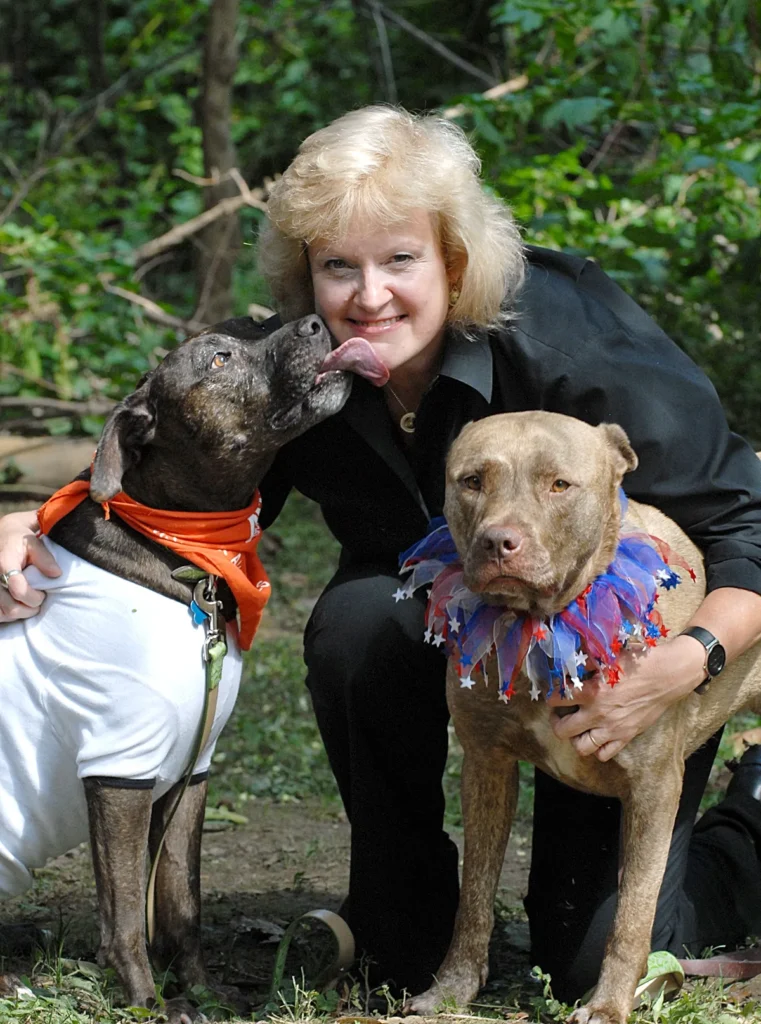
That’s how I remember working with Ledy VanKavage many years ago, when we traveled together speaking to animal shelters about the language we use when talking about dogs often identified as “pit bulls.” Even then, long before many organizations were openly discussing breed labeling and media bias, we both understood something important: The words we choose shape public perception, and public perception can determine whether dogs are feared, misunderstood, or given a fair chance.
For example, if a dog bite incident involved a “pit bull-type dog,” you can guarantee the word “pit bull” would appear in the story headline. If the dog was another breed, like a retriever, the breed often wasn’t mentioned at all, or sometimes the story never ran in the first place. Ledy believed the animal welfare field itself had a responsibility to stop reinforcing stereotypes that harmed dogs. And her passion for these “blocky-headed dogs,” as she lovingly refers to them, has remained evident throughout every aspect of her work.
What struck me most about working with Ledy was not only her passion, but the way she approached the work. She challenged people to think differently without making them feel attacked for what they didn’t yet understand. And she did it with energy, humor, and determination that made people want to lean in and listen.
That summer, we spent hours together in airports, hotel lobbies, and during long car rides talking about animal welfare, public perception, sheltering, advocacy, and the future of the field. At the time, I was deeply focused on helping animal welfare professionals better understand the words they used with each other and with the public, so I was ecstatic to find someone equally passionate about how language shapes outcomes for animals. It remains one of the more memorable summers of my career. (We also spent a snowy evening driving between Washington, D.C., and Baltimore, with me gripping the steering wheel convinced we were about to slide off the road. Meanwhile, Ledy — being from Illinois and far more familiar with snow — sat remarkably calm and never once commented on my painfully slow driving. In hindsight, I suspect that had less to do with politeness and more to do with wondering whether she was actually going to survive the trip to Baltimore.)
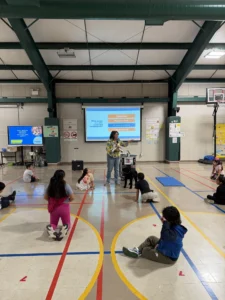
What I remember most from that summer, though, is that Ledy never approached education as something dry or heavy. Even when discussing difficult topics, she believed people learned best when they were engaged, laughing, and part of the conversation.
At the time, I was creating game shows and interactive conference activities for the opening sessions for several national animal welfare conferences, and Ledy was absolutely insistent that we incorporate games and audience participation into the workshops too. She understood that people learn better when they are engaged, laughing, and thinking at the same time. That ability to educate while still making people feel connected and energized is something I’ve never forgotten.
Reading Ledy’s essay in Humane Perspectives: Leadership in Animal Welfare, “Fighting for Change to Save Lives,” brought that summer of memories rushing back for me. In her essay, she shares stories of grassroots advocacy, legislative change, persistence, and the importance of collaboration in creating more humane communities. And underneath all of those accomplishments is the same thing I remember from years ago: an unwavering belief that changing minds through the words we use in our field (and in advocacy) is the first step toward changing outcomes for animals.
Ledy has spent decades fighting for policies that save lives, helping communities rethink outdated practices, and encouraging advocates to stay engaged even when progress feels slow. And what remains with me to this day is her passion; the kind that fills a room, keeps conversations going long after workshops end, and reminds people why this work matters in the first place.
I have been, and will continue to be, a longtime fan of this amazing woman. And honestly, if there were ever an animal welfare game show category called “Blocky-Headed Dogs and the People Who Love Them,” Ledy VanKavage would probably be the answer to every question.
This article is part of the Humane Perspectives series, featuring stories and leadership lessons from the contributors to the book, Humane Perspectives: Leadership in Animal Welfare.
About Ledy Van Kavage
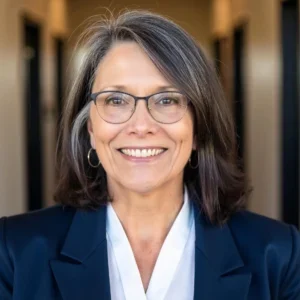
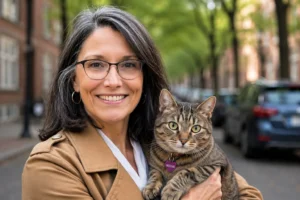
Ledy VanKavage is Senior Legislative Attorney for Best Friends Animal Society, where she works to advance humane policies and lifesaving initiatives nationwide. Throughout her career, she has helped pass dozens of animal protection laws, co-founded the Metro East Humane Society, and demonstrated the power of persistence, collaboration, and grassroots advocacy to create lasting change for animals.