

“Leave it” solves a host of doggie transgressions

Category: ,

As-Seen-With-Cathy-Rosenthal - 2

Encourage Kindness to Animals!

Highly-acclaimed children's books for your child or organization

“Leave it” solves a host of doggie transgressions

Updated Dec 8, 2024

Dear Cathy,

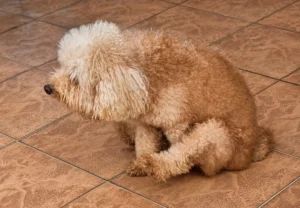
I have some new neighbors that moved in with an outdoor cat. The cat uses our yard as her potty box. Our two dogs have found this cat poop delectable and they eat these deposits before I can remove them from the yard. Is there something I can do to dissuade my dogs from eating this poop? Thank you in advance for any insights.

– Wendy Rutland, Pensacola, Florida

Dear Wendy,

In a foot race to the cat poop, your dogs will always finish first. You can get a head start by going outside and picking up the cat poop before you let them outside, or you could walk them on leashes so you can pull them away from the cat poop when they discover it. But these are temporary solutions that don’t address the real problem.

While it would be great if your neighbors kept their cat in their yard, there will always be something in the yard or on the ground that your dog shouldn’t eat, so the only surefire solution is to train your dogs to “leave it.”

The easiest way to train the “leave it” command is to ask your dogs to sit, put a treat on the ground, and then hold a higher value treat in your hand, like a small bit of cheese or strong-smelling liver treat. When they see the treat on the ground, say “leave it.” When they “leave it” and look at you, reward them with the higher value treat. Then pick up the other treats off the ground, wait a few seconds, and play the game again. Never let them eat the treats off the ground. You are training them to leave things alone, even when you are not around. They should only accept food and treats from your hands or their dog dishes. Depending on their personalities, you probably should train your dogs separately.

If you train them every day, it will only take a few weeks before you can say “leave it” from across the yard, and they will stop, look and listen to you. Keep those higher value treats handy to reward them for their good behavior.

Cathy M. Rosenthal is a longtime animal advocate, author, columnist and pet expert who has more than 25 years in the animal welfare field. Send your pet questions, stories and tips to moc.tidnuptepobfsctd-795b47@yhtac. Please include your name, city, and state. You can follow her @cathymrosenthal.

Please follow and like us:
Pin Share

Nonprofit 501(c) Organizations Copy Usage Notice
Nonprofit 501(c) organizations ONLY are welcome to use these posts on their websites free of charge. Please credit the original article by including the following attribution and with a link to the original article.

For Example:
This article originally appeared on CathyRosenthal.com | “Leave it” solves a host of doggie transgressions

Thank you for helping us spread the message of compassionate care and responsible pet ownership!

Cathy Rosenthal 2026

Cathy Rosenthal (aka The Pet Pundit), CHES, CFE

Animal Welfare Communications Strategist, Writer & Educator

Cathy M. Rosenthal is an award-winning humane educator and author, animal welfare strategist, pet columnist, and speaker who has spent more than 38 years working in animal welfare with local and national humane organizations. She helps people better understand and care for animals through her nationally syndicated My Pet World column and has been the longtime pet columnist for the San Antonio Express-News since 2003.

In addition to her writing, Cathy develops humane education, leadership, customer service, and compassion fatigue training programs for animal welfare organizations nationwide, and has helped raise millions of dollars through grant writing, strategic communications, and program development.

Cathy is the editor and curator of Humane Perspectives: Leadership in Animal Welfare and is the author of several books, including Grant Writing Boot Camp for Animal AdvocatesThe Lucky Tale of Two Dogs, and The Happy Tale of Two Cats, which was the 2026 winner of the Association of Professional Humane Educators’ (APHE) "Educator’s Choice Award" for Best Humane Education Book for Young Children. She also received the 2026 APHE Nathania Gartman Heroes Award for Impact in Humane Education. Her humane education programs in Texas have reached more than 45,000 elementary school children since 2019.

She resides in Texas with her husband, their cat Sterling, and a former community cat, Maddie, who successfully negotiated an indoor living arrangement but still considers human affection highly negotiable.

Was this article helpful? Share with others!

URL has been copied successfully!

Leave a Comment

Your email address will not be published. Required fields are marked *

Other Articles You Might Enjoy

When you travel, don’t leave your cats feeling alone

While you're away, keeping your cat's routine—and their comfort—can make all the difference. Cats left entirely alone -- even for short periods -- may experience ...
Read More

Mourning dog’s behavior tied to loss of loved one

Dear Cathy, We are friends with an elderly couple who adopted a young rescue about ten years ago. The wife passed away about a month ...
Read More

Nighttime Guardians: Feeding Feral Cats with “Thelma and Louise”

A watchful feral cat keeps its distance—living outdoors but cared for by dedicated volunteers who provide food, shelter, and veterinary care through TNR (Trap-Neuter-Return) efforts. ...
Read More

Humane Perspectives: Leadership in Animal Welfare is on Sale Now! Special website-only price for a limited time! Order your copy today.

Scroll to Top
0