



Halloween may be a spooky holiday, but it’s the 4th of July that truly scares our pets. While every animal may panic and bolt at the sound of firecrackers or thunder, humane groups estimate that about 45% of dogs suffer from noise phobia.
If you’ve had dogs, the odds are you have encountered at least one noise-phobic dog. I’ve had two. These dogs didn’t just hide under a blanket until thunderstorms passed. They knocked over and climbed onto furniture, dug through the carpet to escape, tore things up, and trembled so severely I feared they would collapse or have a heart attack. Dogs with the most severe symptoms can hurt themselves, so, as pet parents, we must develop a strategy to help them cope.
Like most pet owners, I did my best to ease my dogs’ suffering. Over the years, I learned that it’s not just one thing that helps but a combination of strategies. I medicated my dogs hours before a storm or firework event. I turned on a sound machine and played a high-volume action movie or music. I used a Thundershirt™ and an Anxiety Wrap™ simultaneously. During fireworks, I kept them indoors from dusk until after 1:30 a.m. so they wouldn’t be startled while trying to relieve themselves. I even moved their kennels into my walk-in closet and draped blankets over them to further muffle the noise. Despite all this, my dogs could still hear the thunder or fireworks, just not at full volume, which reduced their reactions.
Here are a few additional tips that might help manage dogs and cats with noise phobia:
- Create a safe space: Designate a safe, quiet area in your home where your pet can retreat during loud events. This could be a basement, a closet, or a room with soundproofing materials. Make it comfortable with their favorite bed, toys, and blankets.
- Introduce relation training: This involves using positive reinforcement to reward your dog for “chilling” during non-fireworks days.
- Sensitization and counterconditioning: Gradually expose your pet to recordings of the noise at a low volume and pair it with positive experiences, like treats and playtime. Gradually increase the volume over time as your pet becomes more comfortable. Be sure to give your puppy lots of treats while doing this to create a positive association with the noise.
- Routine and exercise: Maintain a regular routine to provide a sense of normalcy. Exercise your dog before a known noise event to help them expend nervous energy and potentially be more relaxed.
- Calming products: Besides Thundershirts™, pet parents can also try plug-in pheromones or pheromone collars, over-the-counter herbal and homeopathic products, calming chews, or CBD oil (if recommended by a vet) to reduce anxiety.
- White noise machines: Besides playing music or movies, consider using white noise machines or fans to help drown out the noise. Sitting with your dog or cat in a closet can also help since the clothes muffle the outdoor noise.
- Close windows and curtains: Reduce the intensity of outside noises by closing windows and drawing curtains. This can also block out visual stimuli such as fireworks flashes, which can add to your pet’s anxiety.
- Crate training: If your pet is crate trained, the crate can serve as a safe and secure place during loud events. Ensure the crate is in a quiet area and draped with a heavy blanket to muffle sounds.
- Medication: If your pet’s anxiety is severe, consult your veterinarian about prescription medications that can help manage their stress. Sileo, the first FDA-approved treatment specifically for noise-sensitive dogs, works by blocking norepinephrine, a brain chemical involved in the fight-or-flight response, calming anxiety without sedation. Administered as a gel between the gum and cheek, it is absorbed quickly and provides relief within 30 to 60 minutes.
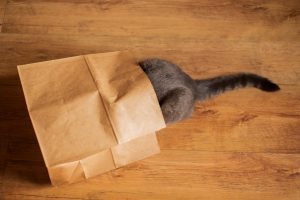
Cats can be just as noise-phobic as dogs, but their panicked behavior may be less noticeable. They tend to run away, hide, curl up tightly, or groom excessively—behaviors they do naturally but more so when anxious. Make sure noise-phobic cats have places to hide, like boxes and tunnels or even under the bed. You can use feline pheromones and over-the-counter products specifically for cats, as well, and the same counter-conditioning techniques to ensure kittens are exposed to a variety of sounds so they’re not as fearful as adults.
By combining these strategies, you can help your pets feel safer and more comfortable during the fireworks holiday, reducing their anxiety and preventing them from harming themselves.
With over 35 years of experience advocating for animals in animal welfare, Cathy Rosenthal is a seasoned expert dedicated to improving the lives of our furry friends. Explore her books and programs by visiting https://cathyrosenthal.wpenginepowered.com/petpunditpublishing/.
Credit: Cathy M. Rosenthal, The Pet Pundit