



As someone who lives in the Texas Hill Country, I’ve been following developments surrounding New World screwworm with particular interest. Over the past several weeks, news of confirmed screwworm cases in Texas has generated understandable concern among ranchers, veterinarians, and pet owners. After all, any parasite described as “flesh-eating” sounds like something straight out of a horror movie.
But before you start inspecting your dog every five minutes or canceling your hiking plans (your dog loves to hike), let’s talk about what pet owners really need to know.
One reason screwworm feels especially close to home for those of us in the Hill Country is that Kerrville has long played an important role in the fight against it. For decades, scientists at the USDA research facility in Kerrville helped develop and refine the techniques that eventually eradicated screwworm from the United States. Today, that work continues at the newly opened Knipling-Bushland U.S. Livestock Insects Research Laboratory right here in Kerrville.
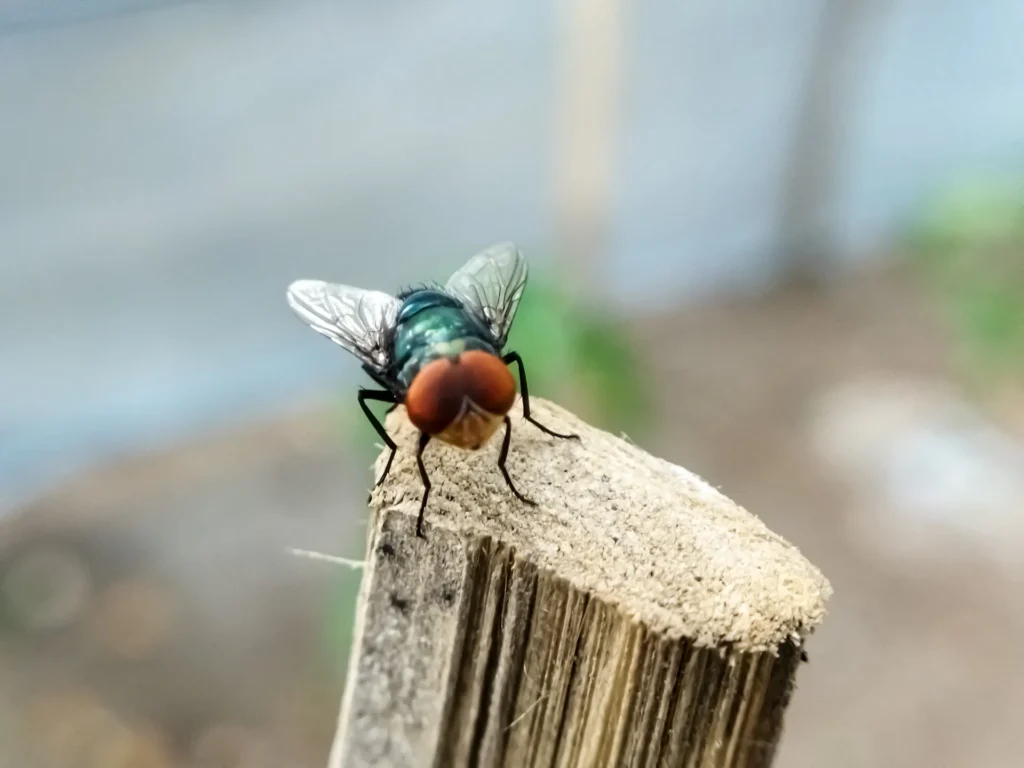
So what exactly is screwworm? Unlike common maggots that feed on dead tissue, screwworm larvae feed on living tissue. The adult fly seeks out wounds, lays eggs, and when those eggs hatch, the larvae burrow into the wound and begin feeding. Left untreated, the infestation can become serious very quickly.
The good news is that the advice veterinarians give pet owners today is remarkably similar to what they’ve always given.
- Check your pets regularly, especially if they spend time outdoors. New World screwworm flies are attracted to open wounds, and those wounds do not have to be large. Something as small as a tick bite, scratch, puncture wound, surgical incision, or skin irritation can create an opening that deserves attention.
- Treat wounds promptly and monitor healing closely. Clean minor wounds as directed by your veterinarian and seek veterinary care for injuries that are deep, infected, slow to heal, or continue to drain. Following post-surgical instructions carefully is also important, as proper wound care reduces the risk of complications.
- Keep pets on year-round flea, tick, and parasite prevention. Preventing bites and skin irritation helps reduce the chances of wounds that could attract flies and other pests.
- Pay attention to anything that doesn’t look right. Check your pet regularly for unusual swelling, drainage, foul odors, areas of irritation, or wounds that seem larger than expected. Also watch for excessive licking, scratching, or discomfort. If something concerns you, contact your veterinarian rather than taking a wait-and-see approach.
The truth is that most responsible pet owners are already doing the very things that help protect their pets.
What concerns veterinarians most is not the family dog sleeping on the couch. It’s the animal with an untreated wound, the dog covered in ticks, the outdoor pet no one has looked at closely in weeks, or the pet recovering from surgery without close monitoring. Any wound that is not healing, appears infected, has an odor, produces drainage, or seems to be worsening rather than improving should be examined by a veterinarian. Good wound care has always been important, but with renewed attention on screwworm, it serves as another reminder that small skin problems can become larger ones when left untreated.
In other words, screwworm is less a reason to panic and more a reminder of why good pet care matters.
As someone who lives in Kerrville, I find it reassuring that some of the nation’s leading screwworm experts are literally in our backyard. Researchers, veterinarians, livestock producers, and government agencies are watching the situation closely.
For pet owners, the message remains simple: stay informed, stay observant, and continue doing what keeps your pets healthy every day.
Because while screwworms may be making headlines, good pet care remains your pet’s best defense.