

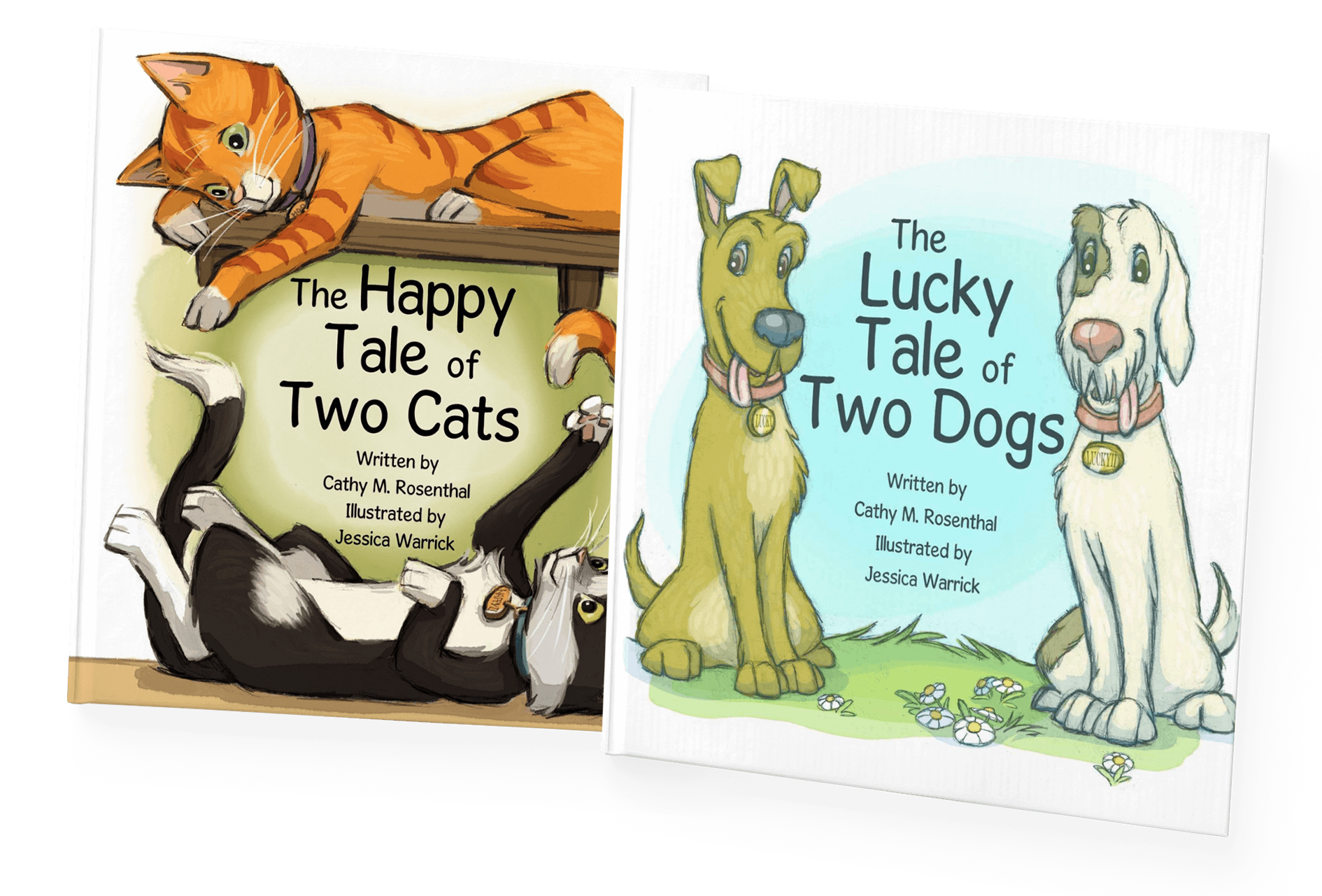
by Cathy M. Rosenthal
When James Bias hired me at the San Antonio Humane Society in 2003, he trusted me with far more than I realized at the time.
At the time, I simply thought I had found a job I was excited about. Years later, I would realize how much that trust shaped what followed.
I first met James in 2003 while working for the American Humane Association. At the time, I had spent more than a decade doing national-level work—traveling, lobbying in Washington, D.C., and working on large-scale humane issues.
Somewhere along the way of working at the national level, I realized I missed seeing the animals themselves. You know, the feeling that what you did on Tuesday could immediately change the life of an animal by Wednesday.
So after moving to San Antonio, I stopped by the San Antonio Humane Society to see their old facility and asked if I could tour the new one they were building.
A month later, James offered me a job as Public Relations Director. I was thrilled. After years of working on national issues, I was finally returning to the local shelter world where I had started my career—and where I could once again see the impact of my work on animals every day.
The Freedom to Do Good Work
What I appreciated most about working for James wasn’t just his vision, though he certainly had that. He has spent much of his career building organizations, expanding programs, and creating opportunities to help more animals. But what stood out to me was the freedom he gave his staff to do what they do best.
I didn’t want to be micromanaged, but I welcomed collaboration. I didn’t want 9-to-5 hours either. In fact, I only wanted to work 24 hours a week at the time, and I remember telling him, “Trust me. You’ll get 40 hours of work out of me.” I didn’t have to create a detailed plan, justify every hour, or prove myself first. He said, “Okay,” trusted me to do the work, and then got out of the way.
Under James’ leadership, nobody stood around waiting for permission to do good work. If you had an idea that helped animals, educated the community, raised money, or got attention for the shelter, James was ready to support it.
Back then — before social media — we were successful in getting hundreds of stories in the traditional media every year. We were handling hoarding cases, launching fundraising events, building programs, and trying to keep the community engaged in animal welfare conversations long before Facebook reminders existed to do it for us.
And thankfully, there was never any micromanaging from James. And, in any work environment, that can be rare.
One of my favorite projects during that time was developing Camp Humane. We needed humane education, and when I pitched it, James approved. From the start, he let me create it, launch it, and run with it in 2005. It was one of the most fun projects I have ever done, and I am proud to say that Camp Humane still operates at the San Antonio Humane Society to this day.
James trusted me to do that, and that’s something I’ve thought about a lot over the years because good leaders don’t always lead by controlling people.
Sometimes they lead by removing barriers.
Sometimes they lead by trusting expertise.
Sometimes they lead by saying: “Go do what you do best.”
And that is what James did with me.
When Good Leaders Move On
A few years later, James told me he was leaving to run a larger shelter in North Texas, and my first reaction wasn’t congratulations. It was frustration. Okay, if I’m being honest, I was very, very upset. Not because I didn’t want the opportunity for him, but because I knew what his departure meant. We had built a strong team, everyone understood their role, and we were making a real difference for animals. We were constantly moving forward—helping animals, educating the community, generating media attention, handling difficult cruelty cases, and creating new programs. It was one of those rare moments when everyone was rowing in the same direction, and I didn’t want it to end.
And, naturally, I worried about what might come next. I had spent years working for a leader who trusted me to do my job. I knew there was a good chance the next person would have a very different management style, and the prospect of being micromanaged didn’t sit well with me.
Oh, and there was also one other small detail: With James gone, I had to step in as Interim Executive Director for the next nine months.
From the beginning, I did not want the position. What worried me most wasn’t the responsibility. It was the fact I was being pulled away from the work I loved most.
James knew I wasn’t interested in becoming an Executive Director. But he also knew I could lead when leadership was needed. That’s another thing great mentors do: they see not only who you are, but who you’re capable of becoming.
He trusted people. He empowered people. And he handed people responsibility before they had all the answers because he understood that confidence is often built by being trusted with something important.
And in that moment, he was trusting me with something very important – although I may not have realized it at the time. He was trusting me with the organization, the team, and the mission we had worked so hard to strengthen together.
The Best Leaders Recognize Potential Before You Do
In his chapter in Humane Perspectives: Leadership in Animal Welfare, “Mentors, Milestones, and Mission: The Moments That Shaped Me,” James reflects on several mentors who entrusted him with responsibility long before he felt fully ready. Reading that made me smile because it perfectly explains the leadership style he carries with him today.
Ironically, I didn’t ask James to write about mentorship or empowerment. I simply asked him to share one of his best leadership lessons. He ended up writing about the very thing I appreciated most about him.
James learned from mentors who recognized his potential and trusted him to grow into it. Then he passed that lesson on to the people who worked alongside him.
Looking back now, I realize how much that leadership style shaped not only my work during those years, but also the way I support and encourage others today.
I may not lead an organization, but the same leadership style still applies when leading projects, mentoring staff, building teams, coaching others, or simply creating an environment where people feel trusted, valued, and capable.
And maybe that’s the real legacy of great leadership — not just the work that gets accomplished, but the confidence and purpose a good leader encourages in the people along the way.
This article is part of the Humane Perspectives series, featuring stories and leadership lessons from the contributors to the book, Humane Perspectives: Leadership in Animal Welfare.
About James Bias
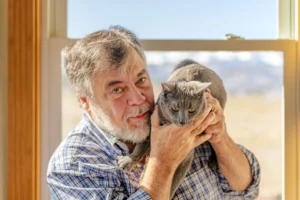
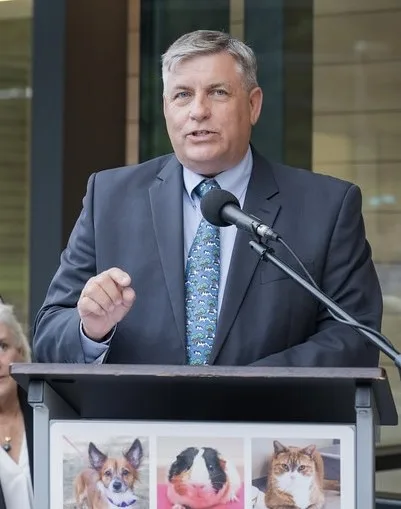
James Bias, CAWA, has spent more than four decades leading animal welfare organizations across the country and currently serves as Executive Director of the Connecticut Humane Society. Throughout his career, he has helped build shelters, lead major animal welfare organizations, and expand programs that strengthen the bond between people and animals.