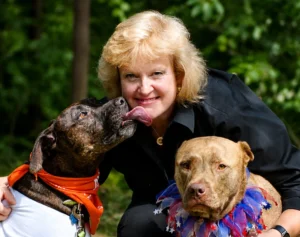




For the past two years, I have been working on a project that became far bigger — and far more meaningful — than I ever imagined.
What started as a simple idea slowly grew into Humane Perspectives: Leadership in Animal Welfare, a book featuring first-person leadership stories from 45 leaders across the animal welfare field. My hope was to preserve the experiences, lessons, challenges, and defining moments that shaped not only these individuals, but in many ways, modern animal welfare itself.
At first, the project moved slowly. Like many ideas rooted in passion, it began with a lot of conversations, uncertainty, and wondering whether people would even have the time — or interest — to participate. But little by little, leaders from across the country began saying yes.
Some had spent decades leading large organizations. Others had built innovative programs, guided shelters through crises, advanced humane education, transformed veterinary access, or mentored future leaders in the field. What connected them all was not title or recognition, but a deep commitment to animals and the people who care for them.
As the essays began arriving, I realized this project was becoming something much more important than a traditional leadership book.
These were not polished success stories designed to impress people. They were honest reflections about burnout, resilience, mistakes, compassion, advocacy, difficult decisions, and the emotional realities of animal welfare work. Some contributors wrote about losing confidence. Others shared stories about rebuilding organizations, navigating disasters, changing sheltering philosophies, or simply learning how to lead while carrying the emotional weight that so often comes with this profession.
Again and again, I found myself thinking: These are the stories people rarely get to hear.
In animal welfare, we often celebrate outcomes — the adoption numbers, the successful programs, the ribbon cuttings, the campaigns. But behind every organization and every milestone are people making incredibly difficult decisions, balancing compassion with reality, and trying to move the field forward despite limited resources and constant challenges.
I wanted this book to preserve some of that history and humanity.  I also wanted younger professionals, students, volunteers, and future leaders to understand that leadership in animal welfare is rarely linear or perfect. Many of the contributors started as volunteers, kennel staff, vet assistants, animal control officers, or foster caregivers. Their journeys were filled with uncertainty, setbacks, and moments that forced them to grow.
Editing and curating Humane Perspectives became one of the most rewarding projects of my career. It reminded me how many thoughtful, passionate people continue working every day to improve the lives of animals and strengthen the communities around them.
My hope is that readers will come away not only inspired, but with a deeper understanding of the people behind the mission.
Because much of what shaped today’s animal welfare movement lives not in textbooks or reports, but in the stories of the people who built it.
Whether you work in animal welfare, hope to one day join the field, or simply love animals and want a deeper understanding of the people behind the mission, I hope you’ll take a moment to explore Humane Perspectives: Leadership in Animal Welfare and the remarkable stories these leaders chose to share.