


by Cathy M. Rosenthal
Featuring Bryan Kortis, Co-Founder of Neighborhood Cats
I have tremendous respect for Bryan Kortis, co-founder of Neighborhood Cats.
When I asked him to contribute an essay to the Humane Perspectives: Leadership in Animal Welfare book, he made one thing clear: He didn’t want the focus to be on him. He wanted it to be on the cats. That tells you a lot about Bryan, who has spent more than 25 years improving the lives of community cats, often without seeking recognition for the work he’s done. And there are a lot of community cats, from New York to Hawaii, whose lives have been changed because of him.
Bryan’s journey into animal welfare wasn’t exactly conventional. A former attorney who also worked in real estate and video production, he didn’t start his career planning to become one of the nation’s leading advocates for community cats. His path changed only after encountering kittens in an empty lot on Manhattan’s Upper West Side that needed help.
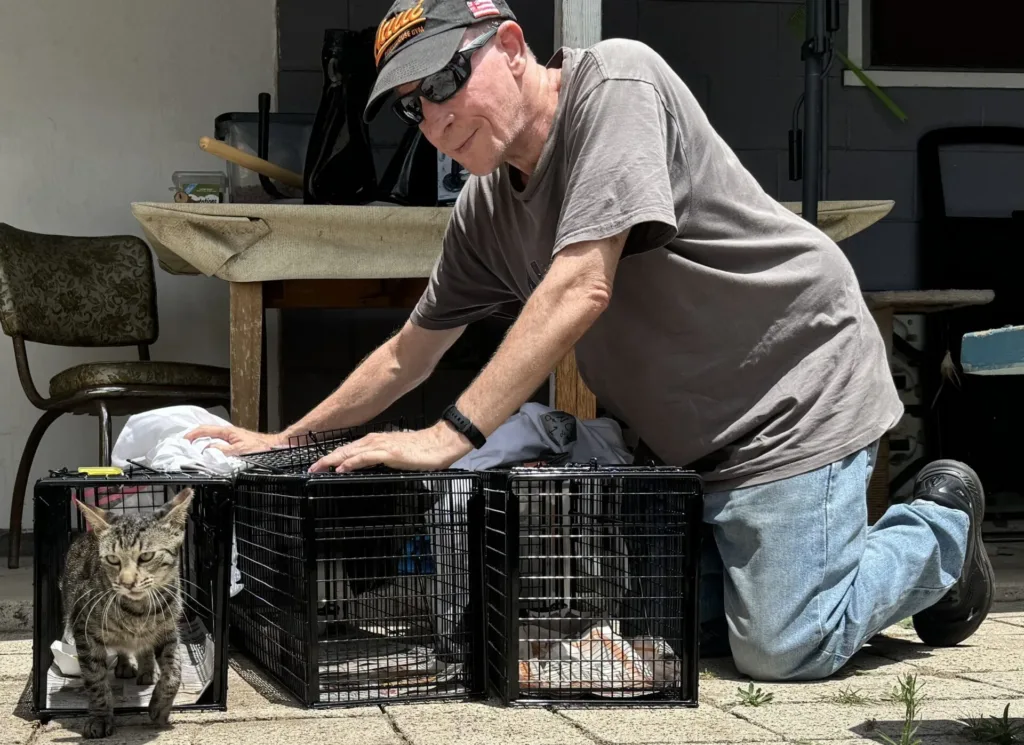
What began as an effort to help cats in his own neighborhood eventually became a much larger mission. In 1999, Bryan co-founded Neighborhood Cats, an organization dedicated to improving the lives of community cats through Trap-Neuter-Return (TNR). At the time, TNR was still a relatively unfamiliar and sometimes controversial approach to managing outdoor cat populations. Many shelters and animal welfare organizations had yet to embrace it, and affordable spay/neuter services for community cats were difficult to find.
Bryan saw an opportunity to change that — and he did.
From the Margins to the Mainstream
Over the next 25-plus years, he helped move TNR from the margins of animal welfare into a widely recognized approach to managing community cat populations. Along the way, he helped develop innovative trapping techniques, educational resources, and partnerships that have influenced how communities across the country care for outdoor cats.
What’s particularly remarkable is that Neighborhood Cats has accomplished so much with so little. The organization has never had more than five employees or an annual budget exceeding $800,000. Yet its influence extends far beyond its size, demonstrating that meaningful change doesn’t always require a large organization or an enormous budget. Sometimes it requires persistence, creativity, and a willingness to challenge the way things have always been done. And Bryan has certainly done his share of challenging.
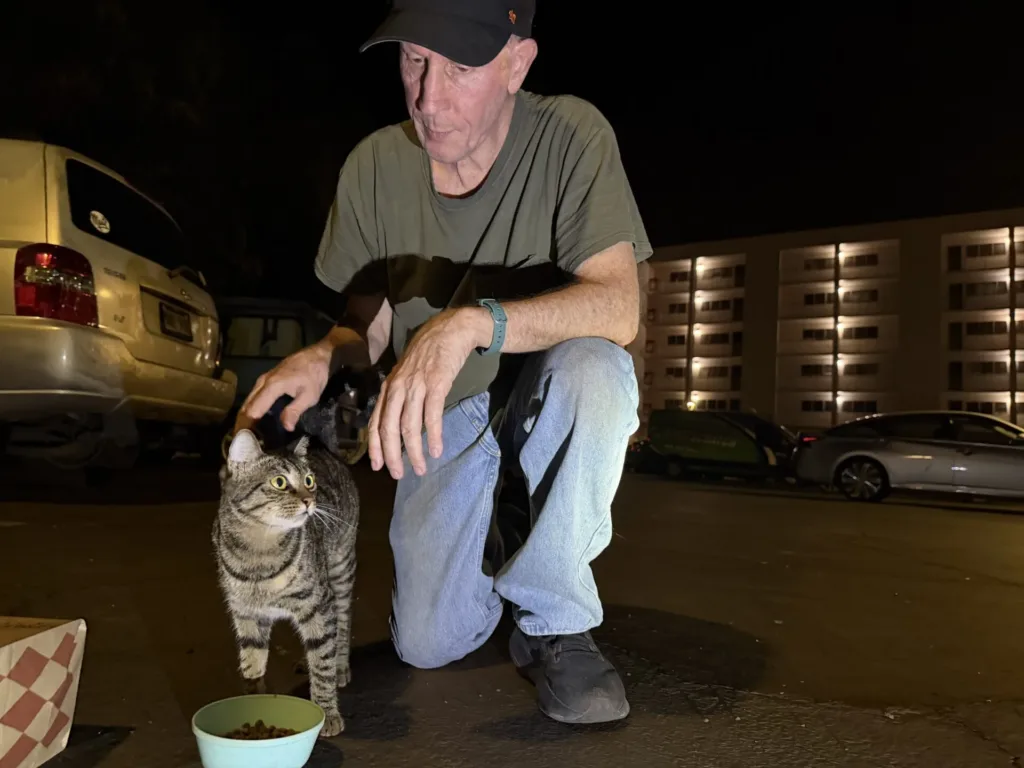
His work has taken him from the streets of New York City to communities across the country and even to Maui, where he helped with community cat efforts following the devastating 2023 wildfires. Whether he’s working with grassroots advocates, animal shelters, or government agencies, his focus has remained remarkably consistent: finding practical, humane solutions that improve cats’ lives.
The Courage to Always Put Cats First
But what I find most interesting about Bryan isn’t simply what he’s accomplished. It’s how he’s approached the work.
Animal welfare can be a challenging field, especially when people who share the same goals disagree about how to achieve them. Strong opinions, competing priorities, and organizational loyalties can sometimes make collaboration difficult. Bryan has experienced all of that, and he’s learned that progress occasionally requires working with people others might consider unlikely partners. It’s not popular, but it moves the progress forward.
It also means staying committed to a mission, even when that mission isn’t as popular as it once was. Over the years, Bryan has watched the animal welfare field shift its attention from TNR to other priorities, including the human-animal bond, access to veterinary care, and, more recently, shelter diversion programs. While he recognizes the importance of these efforts, he has never wavered in his commitment to community cats. He knows there’s still work to be done, even when the spotlight and funding move elsewhere.
The Power of Persistence
In his essay, “Putting the Mission First: A Life Dedicated to Community Cats,” an essay featured in Humane Perspectives: Leadership in Animal Welfare, Bryan shares several fascinating behind-the-scenes stories about the risks he’s taken, the criticism he’s faced, and the difficult choices that helped advance TNR. Some of those decisions could have damaged his reputation or jeopardized his organization’s future. Others required setting aside personal recognition to keep the work moving forward.
I’ll let Bryan tell those stories himself. It‘s a must-read for anyone working to improve the lives of community cats.
What I admire most about Bryan is that he has never lost sight of why he started this work in the first place. He’s seen funding priorities change, watched new approaches come and go, and faced his share of criticism along the way. But none of that has changed his commitment to community cats. After more than 25 years, he’s still doing the work, still finding ways to make things better, and still more interested in helping cats than ever getting credit for it. I think there’s a lesson in that for all of us who work in animal welfare.