

By Cathy M. Rosenthal
Years ago (okay, it was probably 2005 — it just seems like years ago), those of us in San Antonio’s animal welfare community wrestled with a question familiar to communities everywhere: How do we save more animals?
Around that time, the San Antonio Express-News published an article revealing a staggering number: more than 50,000 dogs and cats were being euthanized by animal control in our community every year.
For those of us who care about animals, that number was extremely difficult to absorb. But it also became a call to action. Shelters, rescue groups, advocates, and city leaders were trying to figure out what needed to change — and what we could possibly do differently.
As the years passed, I kept hearing about Reno.
Reno, it seemed, had figured something out.
Nevada Humane Society and Washoe County Regional Animal Services were working together to save animals — a public-private partnership that wasn’t nearly as common then as it is today — and the results were getting people’s attention.
In San Antonio, we were trying to wrap our heads around more than 50,000 dogs and cats being euthanized in a single year. In Reno, they were showing that the outcome didn’t have to stay the same.
So, of course, we wanted to know: What were they doing that we weren’t?
That’s how I first met Bonney Brown.
In 2007, Bonney was executive director of Nevada Humane Society, and in 2008 I invited her and Mitch Schneider, then director of Washoe County Regional Animal Services, to San Antonio to meet with local city and animal welfare leaders.
I don’t remember every detail of their presentation all these years later. But I remember how it made me feel: If we pulled together, we could do this, too.
That’s one of Bonney’s gifts as a leader. She makes big ideas seem possible.
Thinking Bigger
Bonney didn’t arrive in Reno with a modest goal of improving a few programs or nudging the numbers in the right direction. Bonney, it turns out, isn’t much of a “nudger.” Give her a goal, and she’s likely to make it bigger.
She envisioned creating a community where healthy and treatable animals would be saved, and euthanasia would be reserved for animals who were suffering or dogs who could not safely be placed.
That was an ambitious goal, particularly at a time when many shelters still viewed euthanasia as an unavoidable part of managing animal populations.
But Bonney understood that to accomplish something extraordinary, you have to give people something extraordinary to work toward.
In her chapter, From Vision to Impact: 6 Lessons That Stuck, in the book Humane Perspectives: Leadership in Animal Welfare, Bonney opens with a quote from architect Daniel Burnham:
“Make no small plans; they have no power to stir the soul.”
When I first read that line in Bonney’s chapter, I thought, what extraordinary words to live by — not just for Bonney, but for anyone trying to change something that seems too big to change.
Bonney certainly took them to heart.
For her, a big goal isn’t just something to rally people around. It’s a compass. When an organization has dozens of worthwhile things it could do, the larger vision helps determine what it should do. It keeps people focused on the work that moves them closer to the goal.
And in Reno, that philosophy produced results.
During Bonney’s first year at Nevada Humane Society, dog adoptions increased 53 percent, and cat adoptions increased 84 percent. Over time, Washoe County achieved a 94 percent community-wide save rate while the community was handling approximately 16,000 animals annually.
Those are impressive numbers.
But perhaps the most telling measure of Bonney’s leadership wasn’t the number of animals saved.
It was how many people wanted to help save them.
Giving Everyone a Role
Saving more animals was one thing. Getting an entire community excited about helping save them was another. And Bonney was determined to do both.
In a 2007 interview, Bonney described how the shelter’s volunteer ranks grew from 25 to 900, while foster families increased from 12 to 220.
That’s not just more volunteers. That’s a whole lot of people deciding they wanted to be part of something bigger.
And that’s one of Bonney’s strengths. She knows that even the most inspiring vision won’t accomplish much if it stays inside the executive director’s head.
The kennel attendant, adoption counselor, bookkeeper, volunteer, and board president all need to understand where the organization is going and how their work helps get it there. Nobody’s contribution is too small to matter.
In Humane Perspectives, Bonney emphasizes the importance of everyone “pulling in the same direction.” Now, anyone who has spent time in animal welfare knows that getting everyone to pull in the same direction can sometimes feel like herding cats. And we’re supposed to be the experts at that.
But Bonney understands that people are much more willing to pull together when they believe in the destination and know they have a meaningful role in getting there.
Asking, What Can We Do?
Of course, even the clearest vision eventually runs into obstacles. But Bonney doesn’t spend much time looking at the obstacle.
One of my favorite leadership lessons in her Humane Perspectives chapter actually comes from her longtime colleague Diane Blankenburg.
Bonney writes that when people encounter a difficult problem, they naturally start listing all the reasons something can’t be done. (And if you’ve ever attended an animal welfare meeting, you know we can sometimes be remarkably good at that.) Diane turns that thinking on its head with a much more useful question: “What can we do?”
It’s a simple change in language. Instead of spending everyone’s energy explaining why something is impossible, the conversation turns toward finding a solution.
Bonney describes seeing that approach work when teams faced everything from dozens of cats needing quick rescue to raising emergency funds and organizing a large-scale spay/neuter effort in a rural community. The question didn’t make the problems disappear. It shifted people’s attention to the actions they could take.
And isn’t that what good leadership should do?
Bonney has carried that philosophy throughout her career. Before Nevada Humane Society, she held national leadership positions with Best Friends Animal Society and Alley Cat Allies. She later co-founded Humane Network and Options Veterinary Care and helped create the University of the Pacific’s online Animal Shelter Management Certificate Program.
Apparently, changing the way one community saves animals wasn’t quite enough for Bonney. She wanted to help other communities discover what was possible, too.
Making the Impossible Seem Possible
Which brings me back to San Antonio.
We invited Bonney and Mitch to talk about their partnership because we wanted to learn how another community had saved so many more animals.
We were hoping for ideas, programs, and maybe a few strategies we could bring home and put to work. We got all that. But we also got something we hadn’t necessarily expected: a reason to believe we could turn things around in San Antonio, too.
Bonney didn’t pretend it would be easy. She helped us understand that the numbers we were seeing didn’t have to be the numbers we lived with forever.
And that was exactly what we needed to hear.
More than 20 years later, I can tell you it hasn’t been easy. San Antonio is still working every day to save more animals, and we still have a long way to go. But I’ve also had the privilege of watching this community change in ways I couldn’t have imagined back then.
Animal welfare organizations work together in ways they once didn’t. The city has made a tremendous commitment to providing free spay/neuter services. And throughout San Antonio, there are people who give their time, money and energy to helping animals because they believe our community can do better.
It’s not a perfect system. Far from it. But it’s a community that cares and keeps trying.
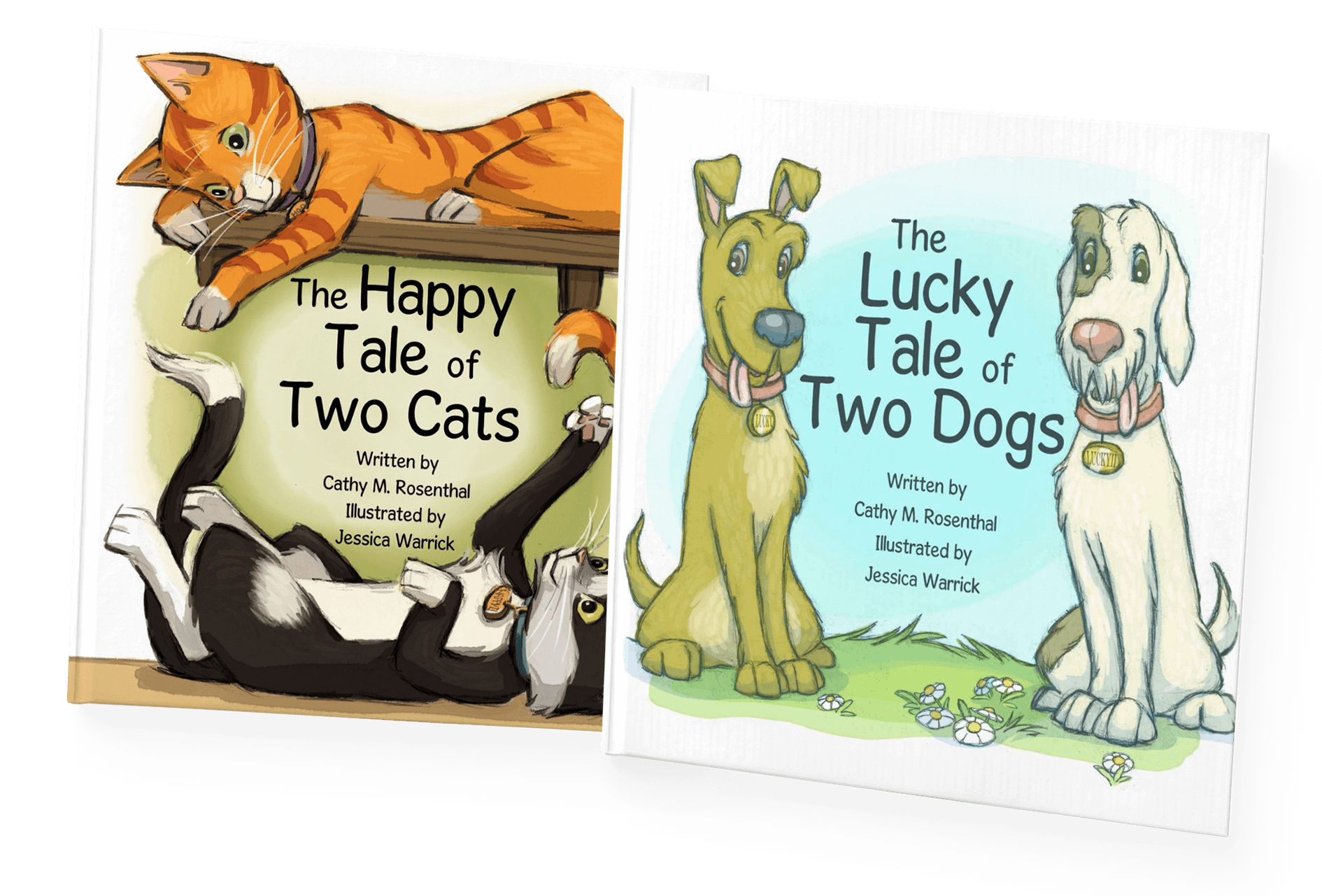
I walked out of that meeting with Bonney feeling inspired, and more than two decades later, I still am. That’s why, when I began inviting leaders to contribute to Humane Perspectives: Leadership in Animal Welfare, asking Bonney was a no-brainer.
I knew she would have something worthwhile to share.
Of course, believing something is possible and actually making it happen are two different things. There will always be obstacles, disagreements, and plenty of reasons why something can’t be done.
But Bonney helped us see that there’s a much more useful way to approach those challenges. And in San Antonio, it’s become something of a mantra over the years. Rather than dwell on all the reasons something can’t be done, we keep coming back to one simple question: What can we do – together?
And for that, we thank Bonney Brown — and the leaders who inspired her journey.




I remember when she was here and when I met her. She was Craig Brestrup’s friend. I have tried for years to get San Antonio to bring her here for an assistance visit to ACS, but without success. I last suggested it this year and gave her contact information, but no one responded.